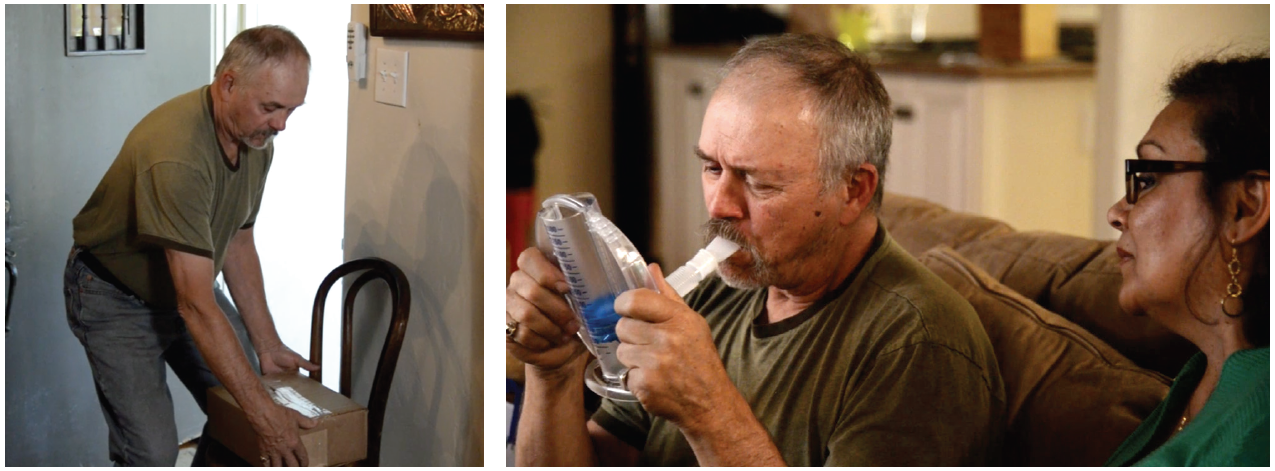
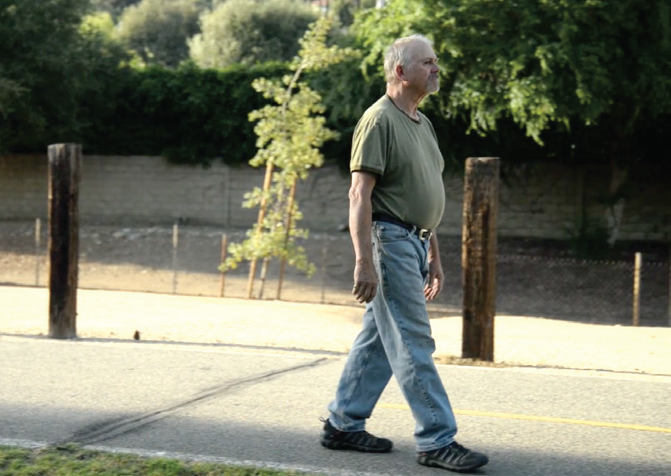
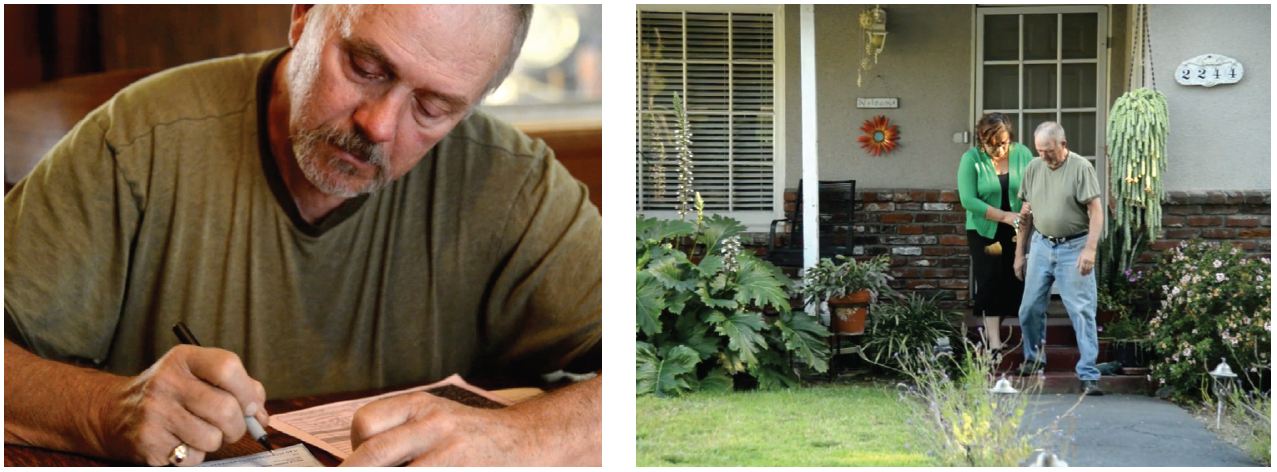
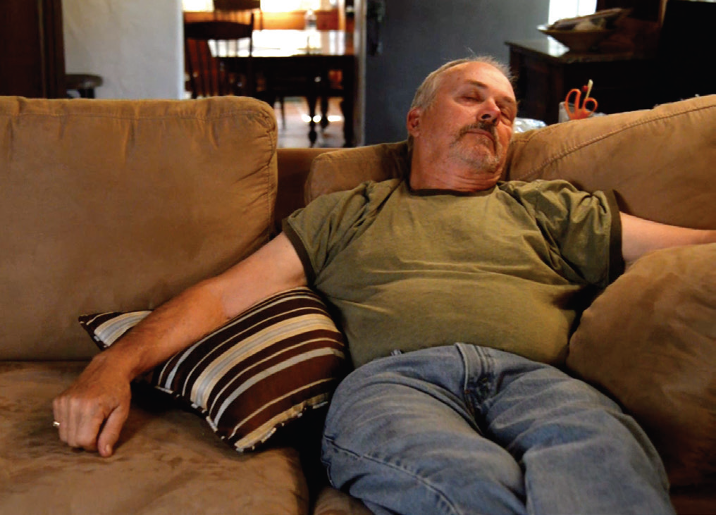
Welcome
The purpose of this handbook is to educate and prepare you and your family for your upcoming lung surgery. You and your family
are important members of the surgical team. This handbook teaches you about how to work with your doctor and
health care team to ensure you have the best experience and recovery from lung surgery.
The handbook contains information about:
- What to expect before and on the day of surgery
- What to expect during your hospital stay
- What to expect during recovery at home
Instructions on how to use
this handbook and video
This support program will give you and your family information about your lung surgery. Information will be given
to you through the following:
- This handbook
- Video
- Daily Self-assessment Plan following surgery
- Telephone support at home
A nurse will work closely with you to review key points of the handbook and video. They will also teach you how to use the
Daily Self-assessment Plan to track your progress following surgery, and provide telephone support while you are
at home.
Before Surgery
-
Watch the first two chapters of the video (“What to expect before and on the day of surgery” and “What to expect when recovering
in the hospital”).
-
Using the handbook, the nurse will review key points in the video with you and your family.
After Surgery
-
Watch the final chapter of the video (“What to expect during recovery at home”).
-
Using the handbook, the nurse will review key points in the video.
-
The nurse will teach you and your family how to use the Daily Self-assessment Plan.
At Home
-
You will receive two telephone support calls from the nurse to review key points after going home.
Information for
Family Caregivers
As a family member, you may be expected to work closely with the surgical team to help the patient. As a caregiver, you may
be asked to do the following:
- Manage medicines
- Manage side effects
- Report problems
- Help coordinate the patient’s care
- Learn how to provide proper physical care
It is very important that you take care of your own health while you are helping your family member.
You may find yourself so busy and worried about the patient that you neglect your own physical, emotional, social and spiritual
needs. Taking care of yourself will give you strength to help the patient. If you have medical conditions, it is
very important that you see your doctor regularly and take your medicines as prescribed. Keeping a healthy lifestyle
by exercising, eating a healthy diet, and getting enough sleep can help you in your role as a caregiver. Here are
self-care tips to help you:
- Keep track of your own medicines, and take them as prescribed.
- Keep a calendar or notebook that includes all your doctor appointments, medicines and dosages, and names and
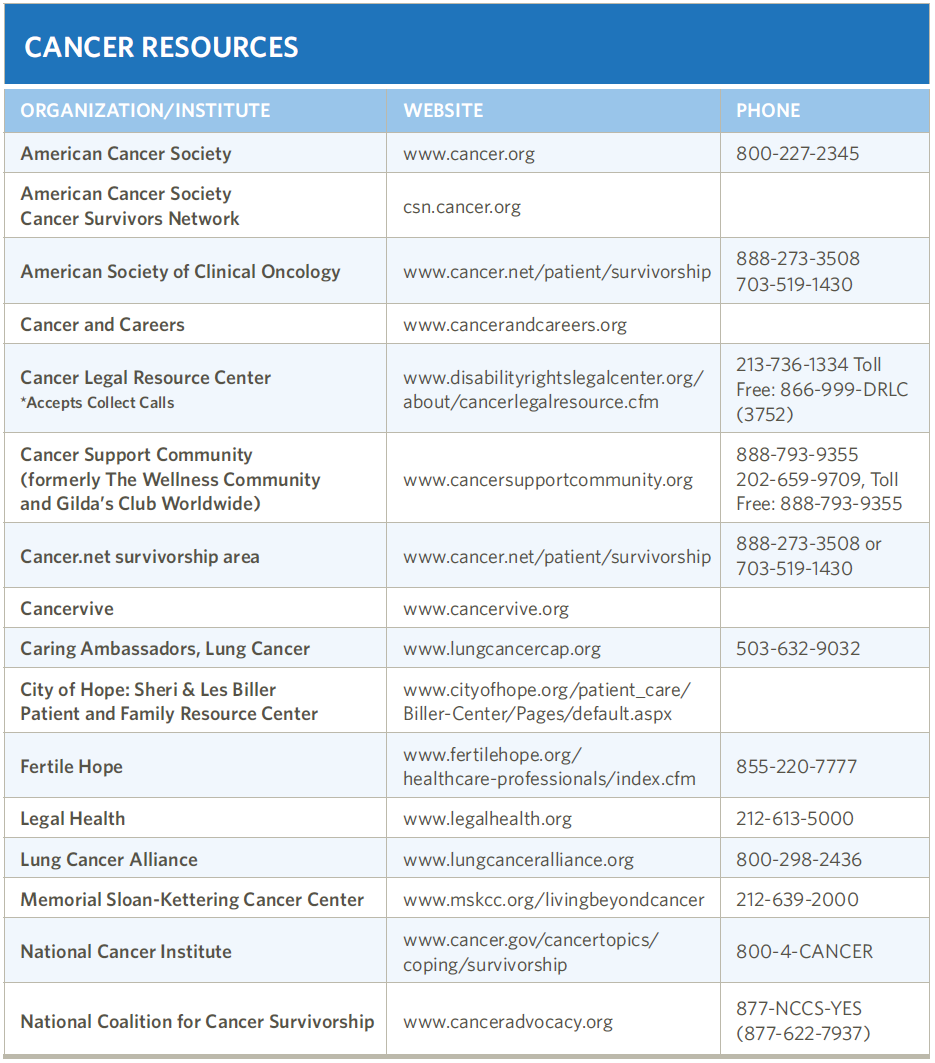
numbers for resources at City of Hope.

- Stay as active as possible.
- Maintain a healthy diet.
- Get enough sleep.
- Go to your scheduled doctors appointments.
- Make time for yourself and other relationships.
- Ask family/friends for help with caregiving.
- Allow plenty of time for daily activities. Plan ahead.
- Think about finding support as a caregiver, such as joining a support group.
Throughout this handbook and video, you will find information in each section on how the family can help the patient with
recovery.
UNDERSTANDING
YOUR OPERATION
There are different types of lung surgeries. The type of surgery you will have is based on the location and stage of your
disease and your general health.
Wedge resection:Surgery to remove a tumor and some of the normal tissue around it. When a slightly larger
amount of tissue is taken, it is called a
segmental resection or
segmentectomy.
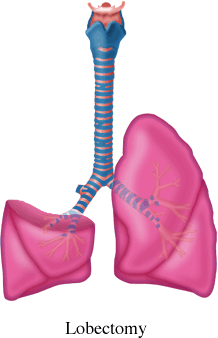
Lobectomy: Surgery to remove a whole lobe (section) of the lung.
Pneumonectomy: Surgery to remove one lung.
Source: www.cancer.gov/cancertopics/pdq/treatment/non-small-cell-lung/Patient/page4
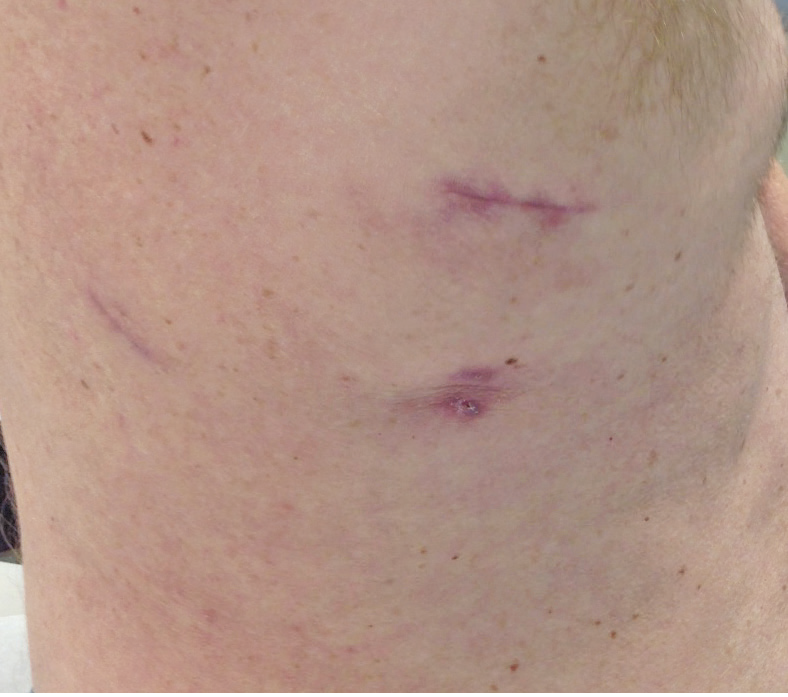
Your surgery will either be minimally invasive or open.
Open surgery is usually performed through a single large incision. In the chest, minimally invasive surgery
is often called
“video-assisted thoracoscopic surgery” (VATS). It means using a camera (thoracoscope) and surgical tools in
the chest through small incisions made between the ribs. Some VATS surgery is done robotically.
With
robotic surgery, surgeons also operate through a few small incisions. The surgeon controls the surgical tools
electronically by placing his/her fingers through a master control located in a console in the operating room. The
surgeon controls all the movements of the robotic tools.
,,
WHAT TO EXPECT
BEFORE SURGERY
WHAT TO EXPECT
BEFORE SURGERY
There are many things that you and your family can do to prepare for surgery.
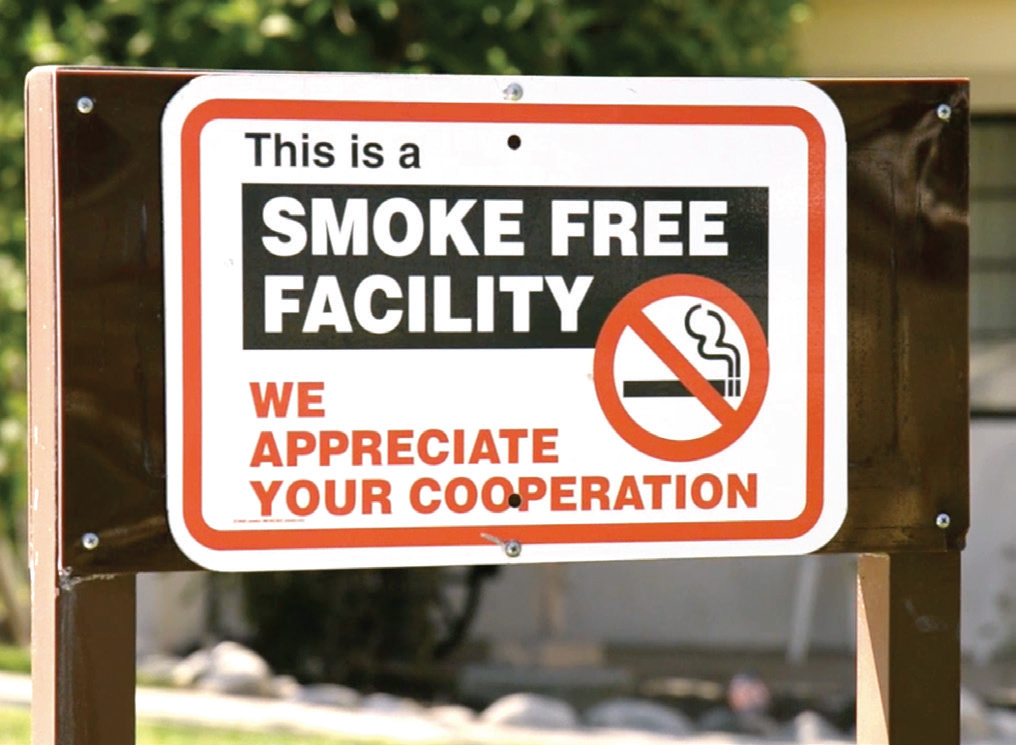
STAYING SMOKE-FREE:
Staying smoke-free before and after surgery is the single most important action you can take to improve your recovery. Smoking
increases the risk of complications after surgery and may also make your recovery more difficult. At City of Hope,
we understand how hard it is to quit smoking. Our Tobacco Dependency Program
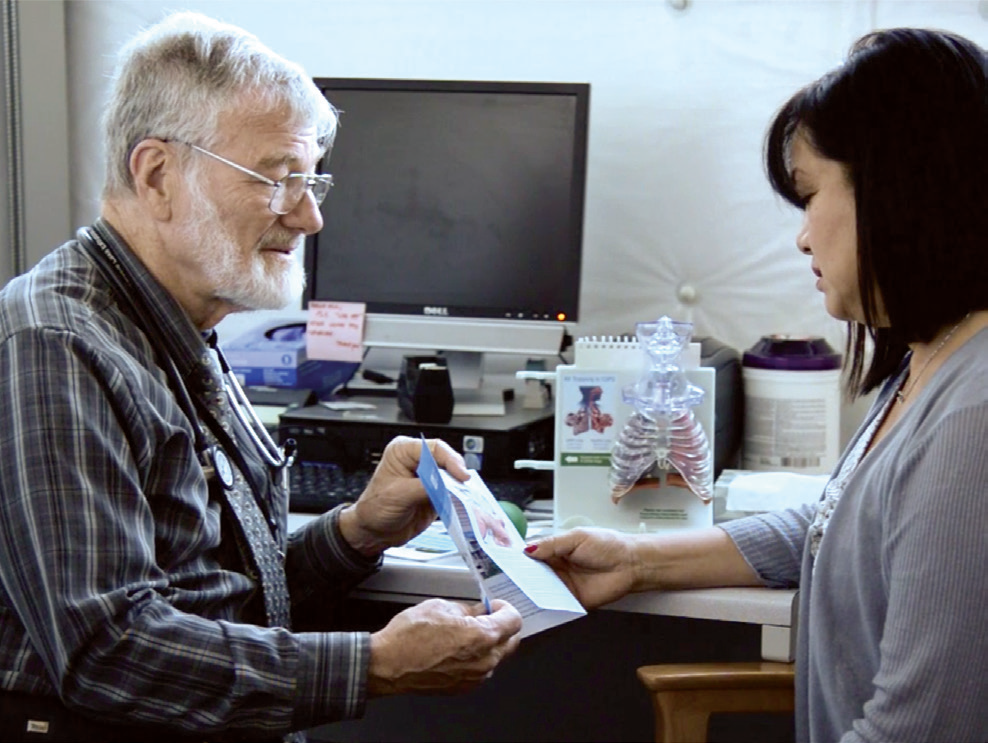 can help you develop a plan to stay smoke-free, which may include the use of medications in combination with building a support
system to ensure you remain smoke-free. The Tobacco Dependency Program includes your surgeon and the program nurse
practitioner who work together to help you stay smoke-free before and after your surgery.
can help you develop a plan to stay smoke-free, which may include the use of medications in combination with building a support
system to ensure you remain smoke-free. The Tobacco Dependency Program includes your surgeon and the program nurse
practitioner who work together to help you stay smoke-free before and after your surgery.
Family: You can help the patient stay smoke-free. If you happen to be a current smoker as well, both of you can support each
other in your efforts to stay smoke-free.
what to expect before surgery
8
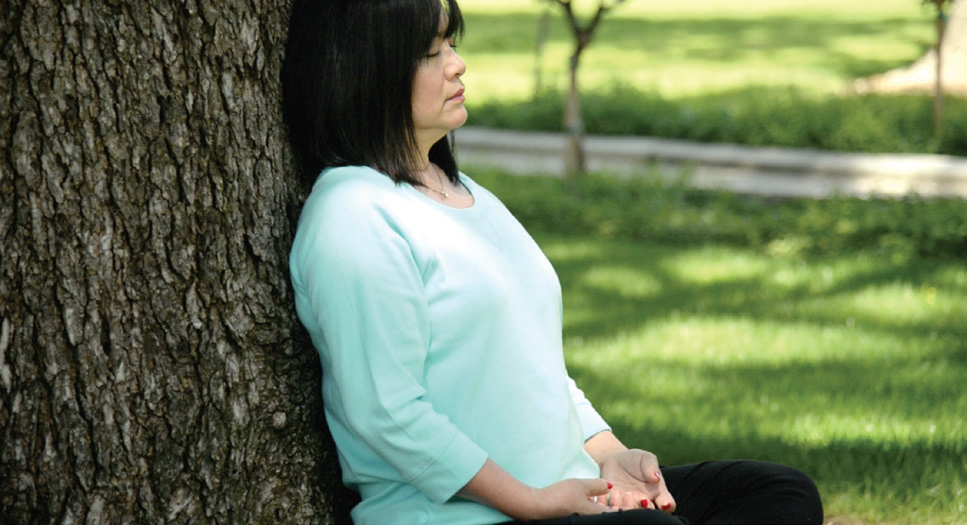
BREATHING EXERCISES
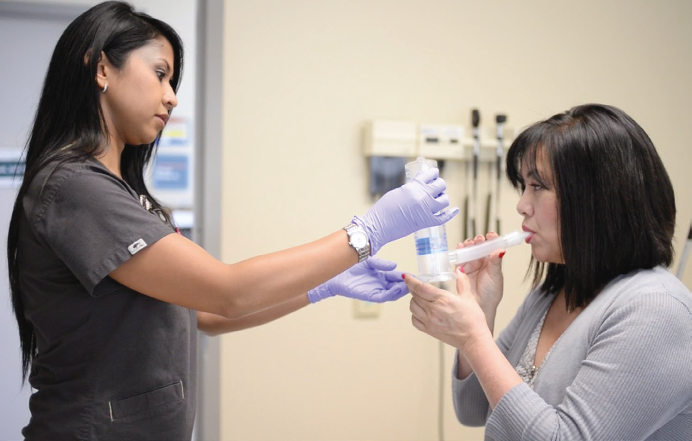
Deep breathing exercises are very important after surgery. These exercises help keep your lungs clear and active throughout
the recovery process. Practicing breathing exercises before surgery can help you strengthen your breathing muscles.
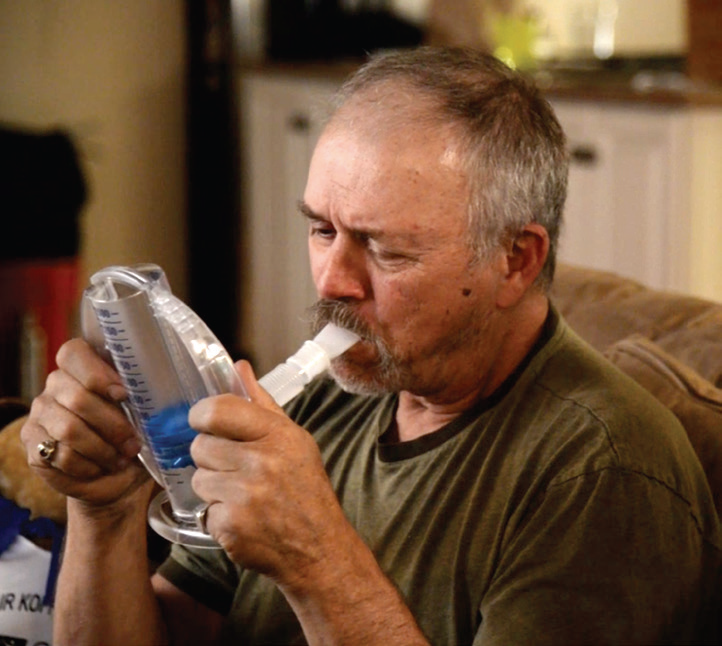
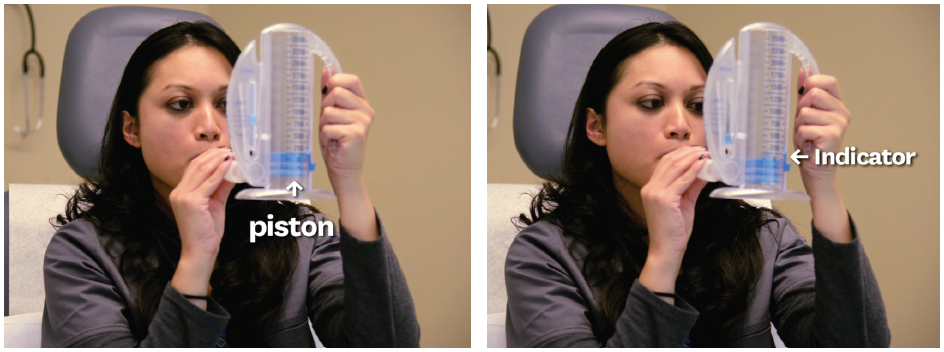
After surgery, you will be asked to use an Incentive Spirometer to help with breathing exercises.
-
For step-by-step instructions on how to use your incentive spirometer, see the
daily self-assessment section
on page 43.
 Before Your Surgery:
 Practice taking in deep breaths using the incentive spirometer. Watch the video to help
you remember how to properly use the incentive spirometer.
Family: Encourage the patient to practice deep breathing exercises before surgery. Remind him/her of how the exercises will
help with healing.
ACTIVITY
Staying active before surgery may improve your recovery. Patients breathe easier and feel better if they stay active
before and after surgery. After your surgery, daily walking while in the hospital will be a very important part
of your recovery.
Before Your Surgery: Talk to your doctor about recommended activities. Once approved by your doctor, you
can begin those activities. Walking is a good option. Remember that it is okay to stop whenever you feel tired.
We recommend 30 minutes of brisk walking at least five times a week, as if you are “training” for surgery.
Family: Encourage the patient to stay active as tolerated. Set aside time to participate in these activities with the patient.
Remind him/her of how physical activity will help with recovery and prevent unwanted complications.
what to expect before surgery
9
WHAT TO EXPECT
BEFORE SURGERY
It is a normal reaction to be worried and scared about your surgery. Facing the unknown can be challenging. In general, it
is better to talk about your worries and fears, rather than hold them in. Let your surgeon know about these concerns.
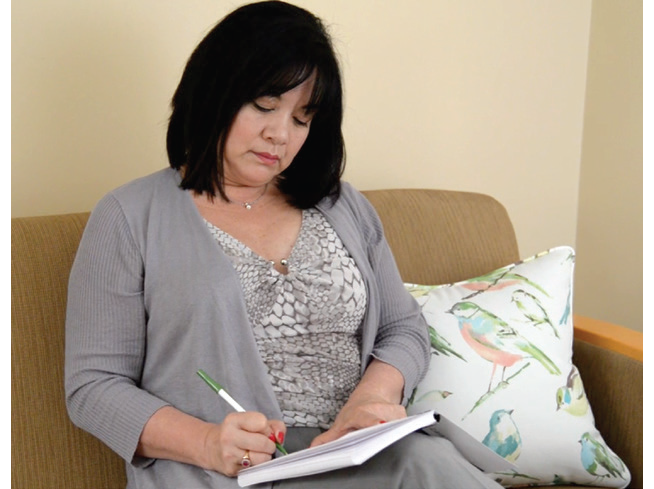
-
Keep a journal of your feelings before and after surgery.
-
Join a support group.
-
Do things that may have helped you in the past.
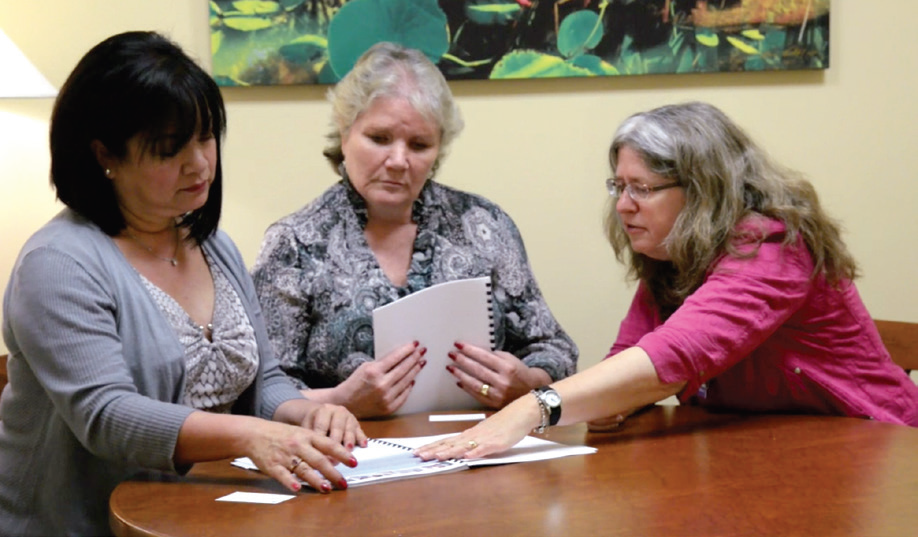
-
Ask family/friends for help.
-
Ask to speak with a social worker or spiritual counselor, if needed.
See additional resources for relaxation exercises on page 36.
Family: Worry and fear are common feelings for families, too. In addition to worrying about and caring for the patient, many
caregivers feel stress from balancing work, children, self-care, and other tasks. What caregivers can do:
-
Gently invite the patient to talk about his/her fears and concerns
-
Listen carefully without judging
-
Decide together with the patient what you can do to support each other
-
Consider getting support for yourself through support groups or counseling
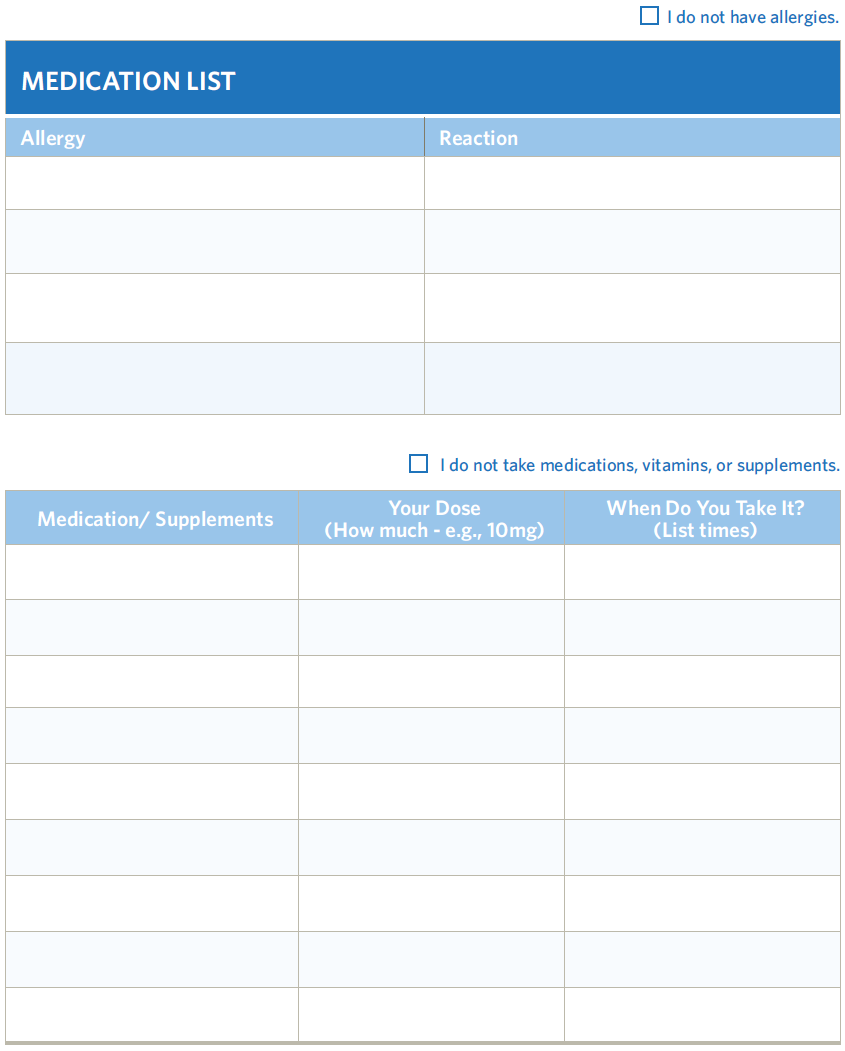
Your medicines may need to be adjusted before surgery. Write down all of the medicines you are taking. You can find a blank
medication list in the additional resources section at the back of the handbook on page 38. In your medication list,
you should write down:
-
Medicines prescribed by your doctor
-
Medicines you bought over the counter
-
Herbs, vitamins, and supplements
 Before your surgery:
Check with your team about the following:
Before your surgery:
Check with your team about the following:
-
When to stop taking all vitamins, herbs and diet supplements
-
When to stop taking medicines such as those that will affect your blood
-
How to take your other morning medicines the day of your surgery
Family: Help the patient write down his/her medicines. Keep a calendar or notebook that has all the patient’s doctor appointments,
test results, medicines, any changes in how they feel, new questions between appointments, and names and numbers for
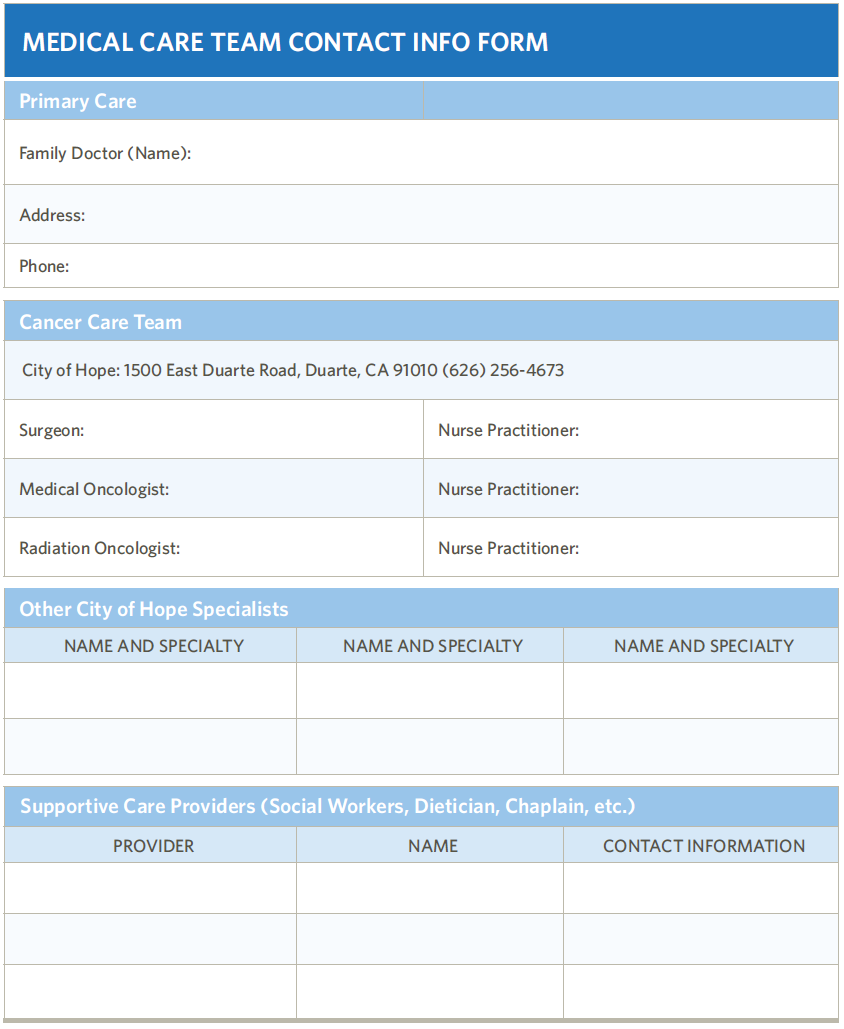
City of Hope resources. You can find a medical team contact form in the additional resources section at the back of
the handbook on page 37. Help with getting and giving medicines. Be sure not to run out of them!
what to expect before surgery
10
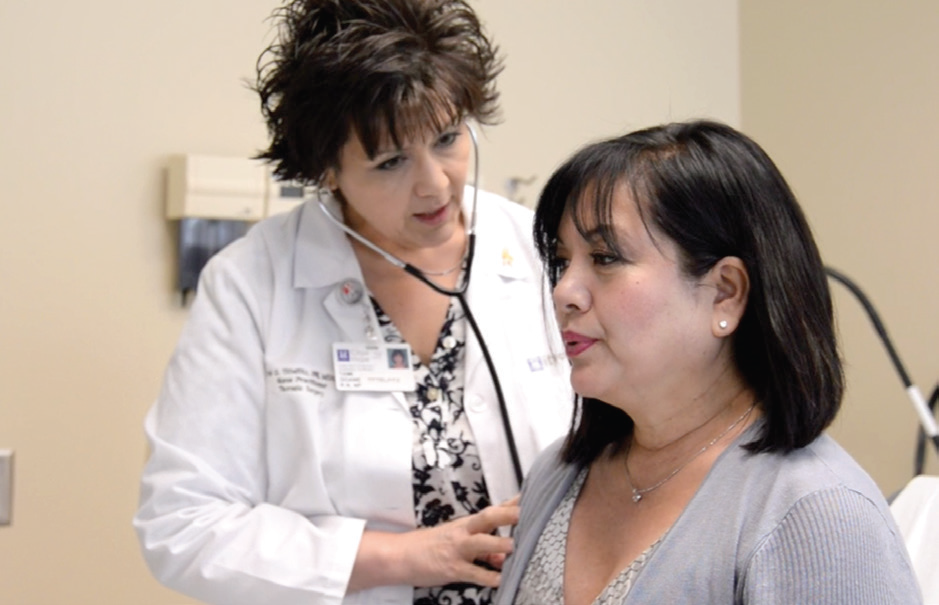
PRE-ANESTHESIA TESTING CLINIC
An important part of your surgical experience at City of Hope is your visit to the Pre-anesthesia Testing Clinic, or PATC.
During this visit, the anesthesia team will evaluate your readiness for surgery and anesthesia. This visit may
include additional laboratory data, consultations with medical specialists and/or
 consultations with your health care providers outside of City of Hope. You will also be given information regarding
your anesthetic care during your hospital course. Here at City of Hope, we strive to make your experience as comfortable
and stress-free as possible. It is one of our top priorities to address any questions and concerns you may have
regarding your surgery and anesthesia, therefore, you are encouraged to discuss any of these concerns with your
PATC nurse, surgical team and/or anesthesiologist.
consultations with your health care providers outside of City of Hope. You will also be given information regarding
your anesthetic care during your hospital course. Here at City of Hope, we strive to make your experience as comfortable
and stress-free as possible. It is one of our top priorities to address any questions and concerns you may have
regarding your surgery and anesthesia, therefore, you are encouraged to discuss any of these concerns with your
PATC nurse, surgical team and/or anesthesiologist.
CHECKLIST FOR PATIENTS
Practice deep breathing exercises.
Walk for 30 minutes at least five times a week if you can tolerate it. Ask your doctor about how to stay physically
active before surgery
Speak with your doctor about your worries or fears about surgery; ask to see a social worker, if needed.
Check with your surgical team about how to take your medicines the day of surgery.
Go to your Pre-anesthesia Teaching Clinic visit; bring a list of questions to ask about the day of surgery.
CHECKLIST FOR FAMILY
Help the patient stay smoke-free.
Encourage the patient to do deep breathing exercises.
Encourage the patient to stay physically active.
Invite the patient to talk about fears and worries.
Take care of yourself by getting enough sleep, eating a healthy diet, taking care of your own health needs, and
asking for help and support.
Go to the Pre-anesthesia Teaching Center visit with the patient; bring a list of questions to ask about the day
of surgery.
what to expect before surgery
11
WHAT TO EXPECT ON THE
DAY OF SURGERY
WHAT TO EXPECT ON
THE DAY OF SURGERY

You will start your day by registering at Admissions. You will then be escorted to the preoperative holding
area where you will change into a hospital gown. A nurse will review your medical history including your medicines
and will place an intravenous line in your arm to give you fluids and/or medicines. You will meet your anesthesia
doctor who will discuss the anesthesia plan for your surgery and also pain control after surgery.
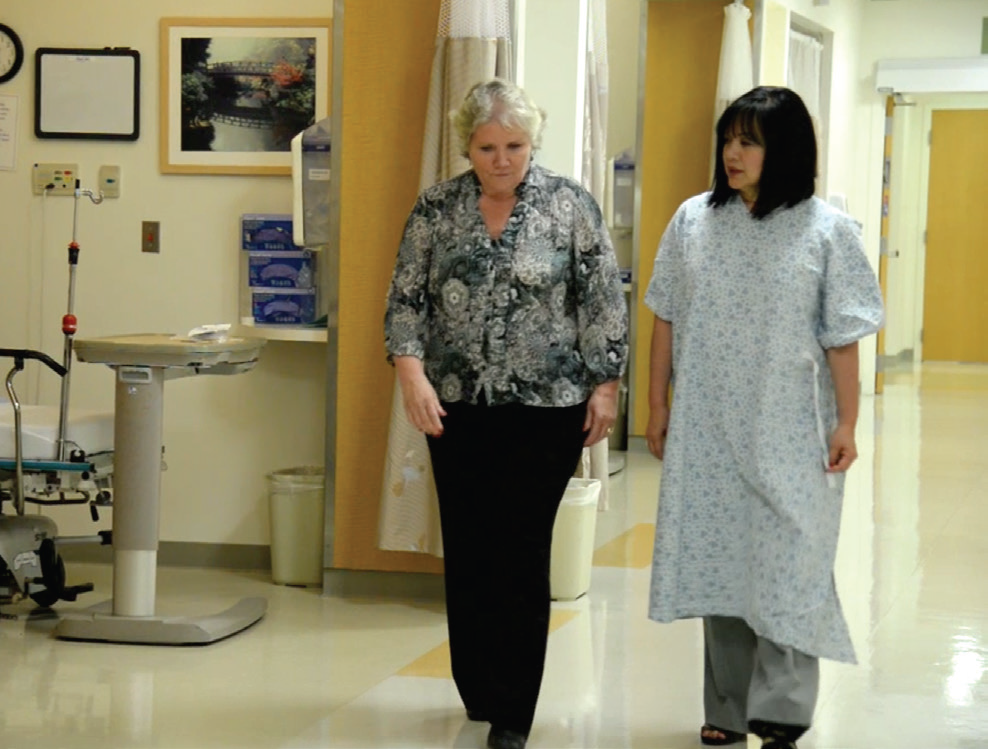
One family member may be invited to wait with the patient in the preoperative holding area, however, once the
patient is wheeled into the operating room, all family members must wait in the waiting room. Your surgeon will give
you an estimate of how long the surgery may last. The surgical team will give your family an update on your status
when your surgery has finished. You can expect to see your family members again about two to three hours after the
surgery has been completed.
what to expect on the day of surgery
14
Summary CHECKLIST patients and family
Know which medicines to take on the morning of surgery.
what to expect on the day of surgery
15
WHAT TO EXPECT
AFTER SURGERY
WHAT TO EXPECT
AFTER SURGERY
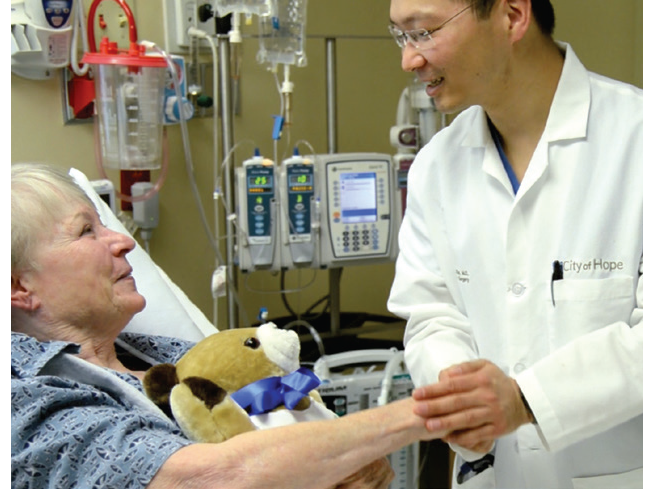
During your time in the hospital, you will work with many care providers.
These include the following:
Doctors (Surgeon, Anesthesiologist, Pulmonologist/Intensivist)
Nurse Practitioner, Nurses
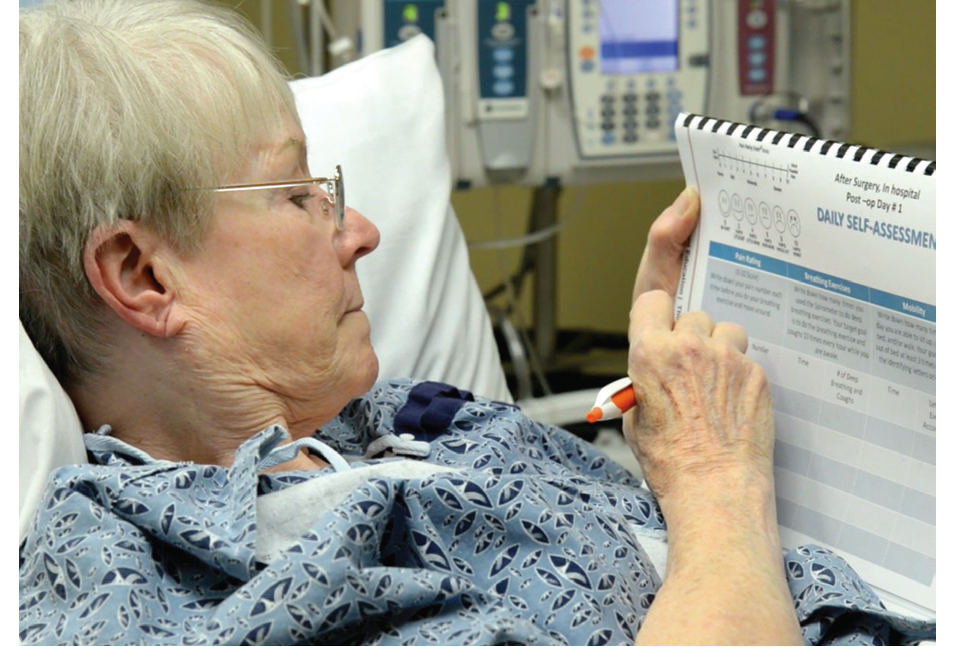
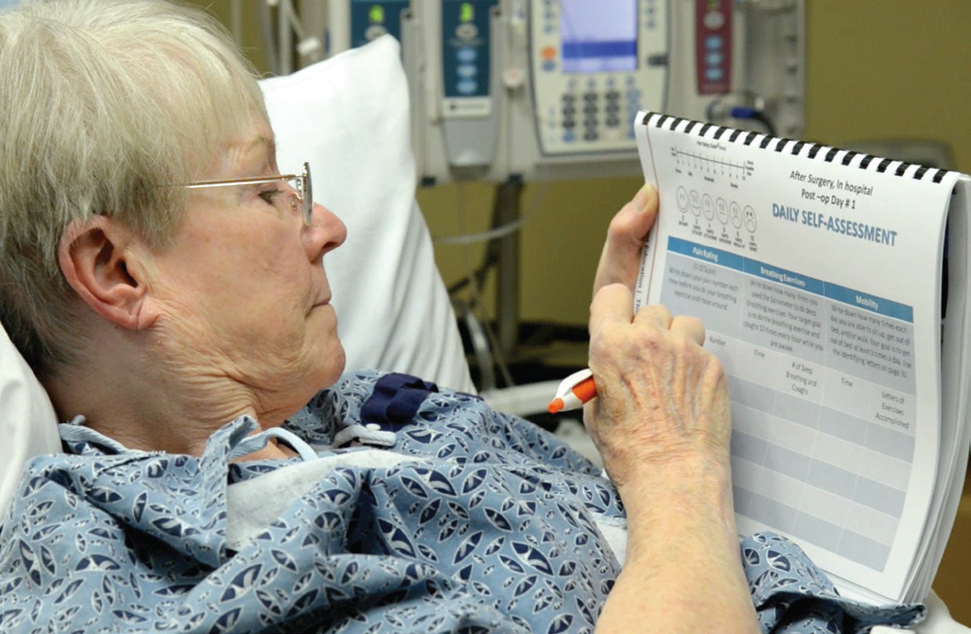
There are many activities you can do to help with recovery in the hospital following your surgery. You will be asked to use
a Daily Self-assessment Plan to keep track of how you are progressing in the following important areas:
Breathing exercises (using an incentive spirometer)
The Daily Self-assessment Plan is located in the last section of the handbook on page 45.
Your family can help you keep track of how you are doing.
Family: Help the patient complete the self-assessment plan. Help him/her keep track of how they are doing.
what to expect after surgery
18
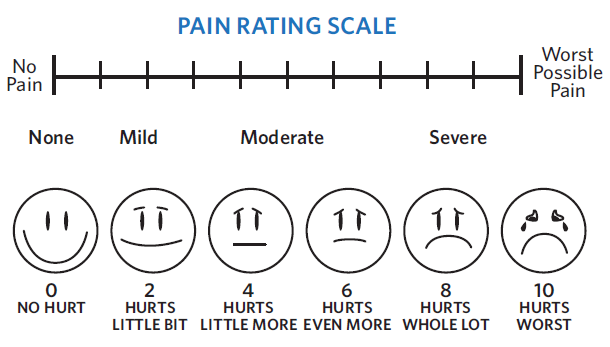
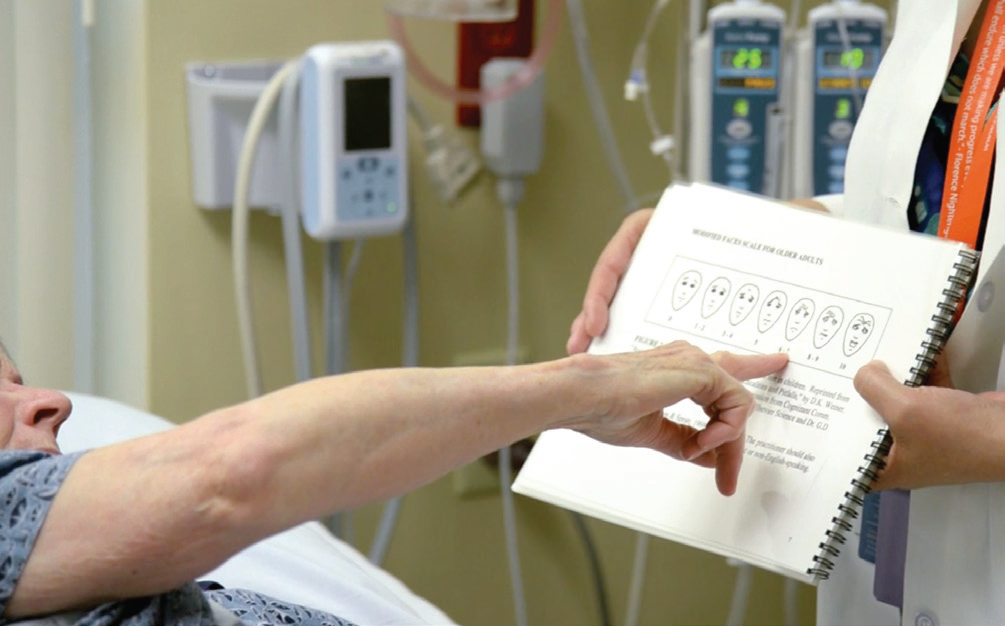
PAIN ASSESSMENT
Controlling your pain following surgery is important. If you are hurting or uncomfortable, you won’t be able
to do the activities (breathing exercises and walking) that are part of your plan for recovery. As you wake up, you
may feel pain and a burning sensation along the incision and rib cage on the side of the surgery. You will be asked
to rate your pain using a 0-10 scale (0=no pain at all to 10=worst pain possible).
In general, it is best to do something about pain before it gets worse. Do not wait until your pain reaches
10 to tell your doctor or nurse. Remember that your pain can interfere with your recovery by making it difficult
to do your breathing exercises or by keeping you from getting out of bed.
Keep track of the following:
What makes your pain better/worse
Where your pain is located
How you describe your pain (sharp, shooting, dull, burning)
Keep track of the following:
Your pain is new or getting worse
Your pain keeps you from doing your breathing exercises, getting out of bed and/or walking
Your pain level is unacceptable to you
what to expect after surgery
19
WHAT TO EXPECT
AFTER SURGERY
PAIN MANAGEMENT
Adequate pain control after surgery is an important part of your recovery process.
There are many ways to treat postsurgical pain including intravenous (IV), regional and oral methods of delivering pain medications.
Oftentimes, these methods can be combined to optimize your pain control.
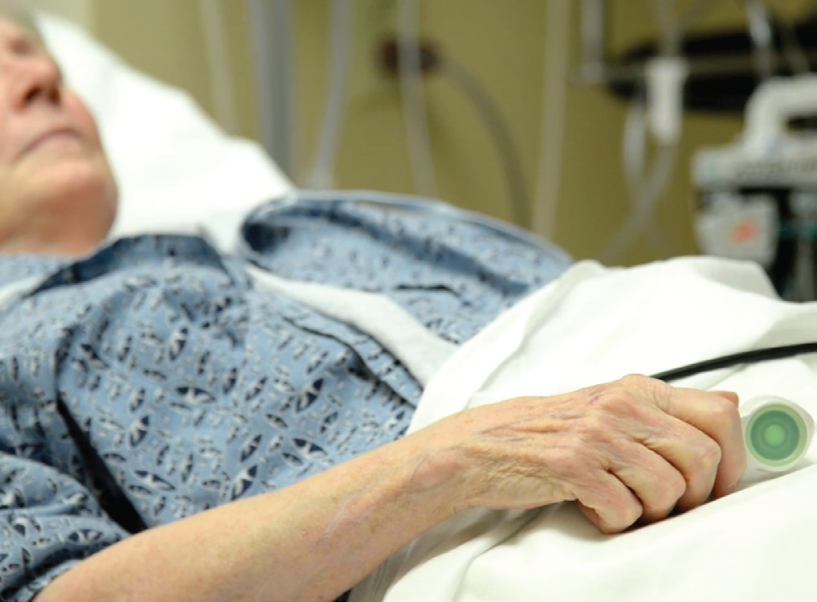
IV pain medicines are delivered through a catheter placed in your vein. Either the nurse can administer the
medicine for you, or you may receive a patient-controlled analgesia (PCA) pump that allows you to deliver medicine
to yourself at the push of a button. These pumps have pre-set dose limits to reduce the risk of overdosing. It is
extremely important that you are the only person pressing
the PCA button.
Regional pain medicines include the use of an epidural catheter. Epidural catheters are placed in the patient’s
back and deliver pain medicine to an area around the spine. Finally, when appropriate, patients will be transitioned
to receiving only
oral (taken by mouth) pain medicines in preparation for discharge.
Pain medicines can have the following side effects:
Your doctor will prescribe stool softeners for you to prevent constipation from taking pain medicines.
Family: Watch the patient for signs that he/she is in pain or uncomfortable. Understand which medicines are for pain and
how each is to be used. Help the patient to remember to take his/her pain medicines. Help the patient write down his/her
pain rating in the Daily Self-assessment Plan (page 45). Note: Family should not push the PCA button for the patient.
what to expect after surgery
20
CHEST TUBE
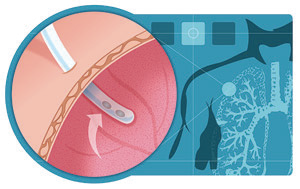 You will have a tube placed in your chest where you had your surgery. The tube will be hooked up to a container.
For most people, the tubes will be removed before going home. You may feel some shoulder discomfort on the side
where the tube is placed.
You will have a tube placed in your chest where you had your surgery. The tube will be hooked up to a container.
For most people, the tubes will be removed before going home. You may feel some shoulder discomfort on the side
where the tube is placed.
BREATHING EXERCISES
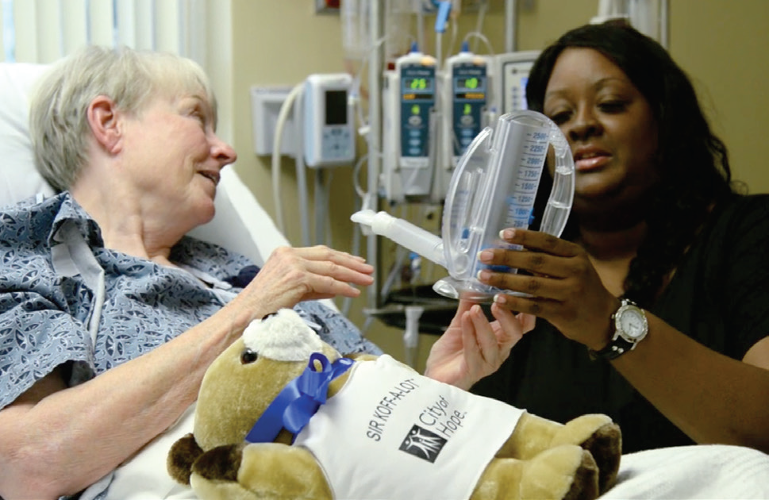 Breathing exercises are an important way to prevent pneumonia.
 Pneumonia is an infection in the lungs. Following
surgery you will be asked to use an incentive spirometer to do your breathing exercises. The spirometer will help
keep your lungs expanded. Use your incentive spirometer five to 10 times
every hour while you are awake. Make sure that you aren’t in pain before doing your breathing exercises and coughing.
Write down how many times you used your spirometer every day after surgery and how high you were able to get
the piston using the
Daily Self-assessment Plan (page 45).
Family: Encourage the patient to use his/her incentive spirometer as ordered. Make sure that the patient’s pain is controlled
so he/she can use the spirometer properly.
what to expect after surgery
21
WHAT TO EXPECT
AFTER SURGERY
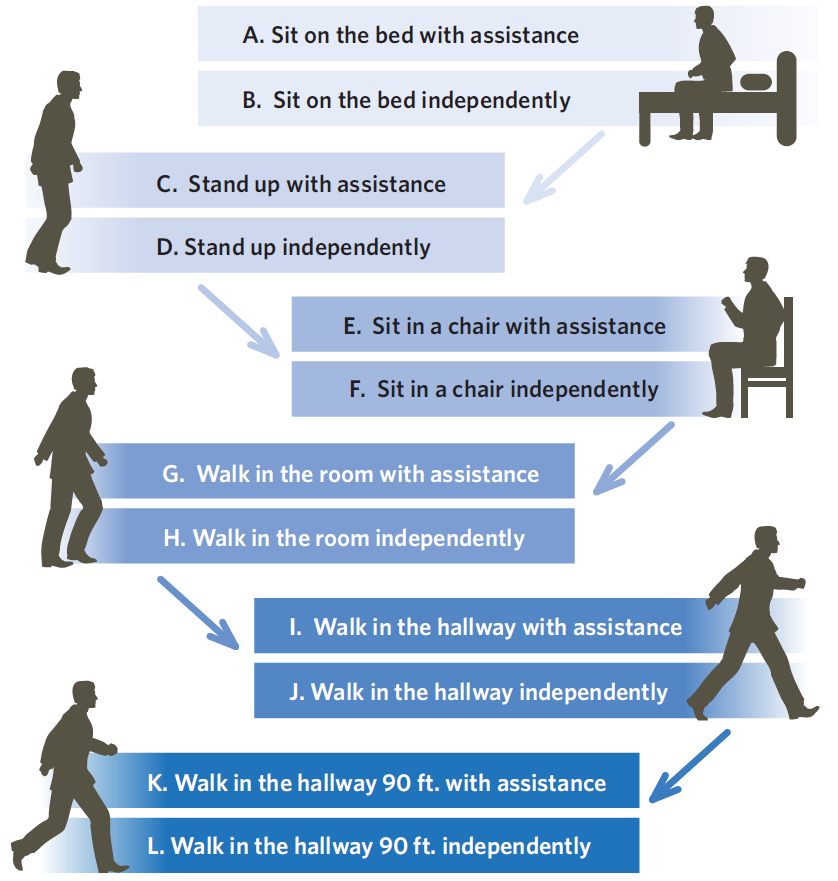
WALKING
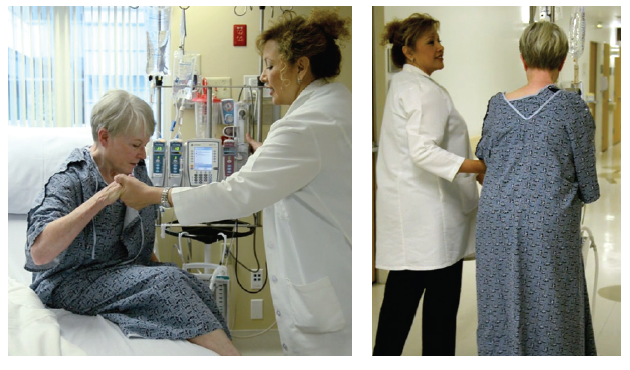
Getting out of bed and walking is an important part of your recovery. Walking helps your lungs expand and reduces
the risk of complications like pneumonia and blood clots. Walking can also reduce your risk of constipation.
Your nurse will assist you in getting out of bed and walking following surgery.
You should always ask for assistance when getting in and out of bed.
You should get out of bed and walk at least three times a day.
Write down how many times you got out of bed and how far you walked every day after surgery using the
Daily Self-assessment Plan (page 45). Your activity goals after surgery are to get out of bed and into a
chair and then transfer with minimal to moderate assistance. For post-op day 1, the goal is to walk 30 meters (90
feet).
Family: Support the patient as he/she does try to get out of bed and walk at least three times a day. Remind him/her of the
importance of this for healing. Help the patient write down activity goals using the Daily Self-assessment Plan
(page 45).
CHECKLIST FOR PATIENTS
Complete the Daily Self-assessment Plan to keep track of your pain, breathing exercises, and how often you get
up and/or walk.
Rate your pain using the 0-10 scale.
Tell your nurse right away if your pain gets worse.
Use your incentive spirometer to do deep breathing exercises
Your activity goals after surgery are to get out of bed to a chair and then transfer with minimal to moderate assistance.
For the first day after surgery, the goal is to walk 30 meters (90 feet).
Follow your discharge plan.
CHECKLIST FOR FAMILY
Help the patient complete his/her Daily Self-assessment Plan.
Encourage the patient to rate his/her pain using a 0-10 scale.
Encourage the patient to do his/her deep breathing exercises using the incentive spirometer.
Help the patient reach his/her post-op activity goals- to get out of bed to a chair and then transfer with minimal
to moderate assistance.
what to expect after surgery
22
WHAT TO EXPECT WHEN
HEALING AT HOME
WHAT TO EXPECT WHEN
HEALING AT HOME
There are many things that you and your family can do while healing at home.
STAYING PAIN-FREE
You will leave the hospital with pain medicine to use at home. You should take the pain medicine as ordered.
It might also be helpful to keep some pain medicines next to your bed in case you wake up at night with pain. Pain
medicines may cause you to have a hard time going to the bathroom. Use the following tips:
Drink six to eight glasses of water every day, if you can tolerate it.
Use stool softener or laxative as prescribed upon discharge.
If you go more than one day without having a bowel movement, please call your doctor.
Family: Watch the patient for signs of pain. Plan activities for when the patient is most comfortable. Offer plenty of fiber
and water or something else to drink. Help the patient remember to take his/her pain medicines as ordered.
what to expect WHEN HEALING AT HOME
24
COUGH AND BREATHING PROBLEMS
Many people will have some coughing that lasts for several weeks after surgery. Typically, this is a dry cough or comes
with a small amount of clear or white phlegm. If the cough is accompanied by fever, worsening pain, worsening shortness
of breath or increased sputum, let your doctor know.
You will see breathing changes following lung surgery, such as more shortness of breath. Your doctor will give you
medicine to help open your lungs. Pursed lips can help relax your breathing.
See additional resources section to learn how to use this technique (page 35).
COUGH AND BREATHING PROBLEMS
Eat a balanced diet with food that is high in protein.
Foods rich in protein include meats, beans, fish, eggs, nuts, milk, and milk products. Use multivitamins or nutrition supplements
if needed. Ask to speak with a dietitian if you have trouble eating a balanced diet.
Family: Offer high protein foods to help with healing. Create a pleasant setting for meals, and eat with the patient.
what to expect WHEN HEALING AT HOME
25
WHAT TO EXPECT WHEN
HEALING AT HOME
Activities, Intimacy , Fatigue, Return to Work
Follow the instructions given to you by your team. Your doctor will give you information on how much you can lift
or when you can start driving. Walking is a great way to help you heal after surgery. Even if you can’t walk far,
just getting up every hour and walking around your house is helpful.
Ask to see a physical therapist if you have questions about what you should or can be doing.
If you are sent home with an incentive spirometer, continue to use it every one to two hours every day when you
are awake.
Family: If the patient is short of breath, remove or loosen tight clothing. Have the patient sit up in a resting position
that feels comfortable to him/her. Remind him/her to take slow, deep breaths, and exhale slowly. Offer any medicines
or inhalers if available. Encourage the patient to try pursed lip breathing exercises.
what to expect WHEN HEALING AT HOME
26
You can have sex when you feel ready and the incision where you had surgery has healed.
Check with your doctor about when you can resume sexual activity.
It is normal to feel tired when you get home.
Try to do the following:
Have a preplanned work and rest period.
Do heavy tasks and then light tasks instead of trying to do heavy tasks all at the same time.
Ask family/friends for help.
Promote good sleep/wake patterns.
Continue to walk when you return home. It’s OK to get out of the house, but try to avoid contact with sick people.
Ask your doctor about when you can return to work.
Family: Help the patient stay as active as possible. Remind him/her of how staying active will help with healing.
what to expect WHEN HEALING AT HOME
27
WHAT TO EXPECT WHEN
HEALING AT HOME
SLEEP
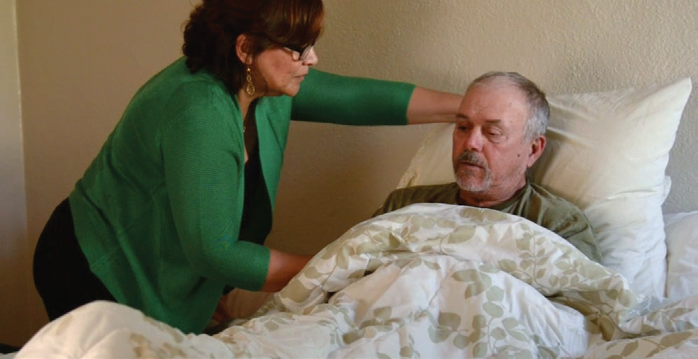
You may have problems with sleeping after returning home.Try the following to promote sleep:
Avoid caffeinated drinks (coffee, tea, soda) before going to bed.
Sleep in a dark, cool, quiet and relaxing room.
Develop a bedtime ritual (e.g., warm milk before bedtime).
Use your bed only for sleeping and intimacy.
If possible, go to bed at the same time each night.
Limit naps to no more than two every day, each lasting less than an hour.
Take a warm shower or bath before going to bed.
Listen to soothing music.
Use meditation, massage, relaxation or other strategies to decrease stress.
Keeping yourself as active as possible during the day will help promote sleep at night.
Having other symptoms, such as pain, can affect your sleep. If you are currently experiencing other symptoms, please
talk to your doctor.
If you are worried, depressed or anxious, talk to your doctor about resources to help you cope with these concerns.
Family: Encourage the patient to use the sleep-promoting strategies. Use the strategies to help promote sleep for yourself.
CHECKLIST FOR PATIENTS
Take your pain medicine as ordered. Remember to also take a stool softener or laxative to help your bowels move
while you are taking pain medicines.
Use pursed lip breathing to help with shortness of breath.
Continue to do deep breathing exercises using the incentive spirometer.
Continue to walk when you return home.
Eat a healthy and balanced diet.
Call your doctor if you have any of the symptoms listed on page 30.
CHECKLIST FOR FAMILY
Help the patient remember to take his/her pain medicine as ordered.
Encourage the patient to use pursed lip breathing to help with shortness of breath.
Encourage the patient to continue with deep breathing exercises.
Encourage the patient to stay active.
Offer high protein foods to help with wound healing. Encourage the patient to eat a healthy and balanced diet.
what to expect WHEN HEALING AT HOME
28
CALL YOUR DOCTOR FOR THE FOLLOWING
Pain gets worse or is not controlled with pain medicine
It is hard and painful to go to the bathroom for two days
Worsening pain or swelling in your ankles or legs
Pain when urinating or your urine smells bad
A fever higher than 101 degrees Fahrenheit
Wound swelling, redness, drainage that soaks your dressings or bad-smelling drainage
Difficulty breathing, chills, chest pain
If you are running low on medicines
City of Hope Nursing Triage Call Center
Call 24 Hours 626-471-7133
when to call your doctor
30
Nursing Triage Call Center
How to Call if You Have a Health Problem or Question About Self-care
What Is the Nursing Triage Call center?
A registered nurse is available 24 hours a day at the Nursing Triage Call Center to answer City of Hope patients’ questions
about health problems of self-care issues that may arise. This service is for nonlife-threatening situations only.
For questions about a prescription refill or renewal
Please call the City of Hope Pharmacy at 626-301-8304. Or call the pharmacy where your prescription was filled if other than
City of Hope.
When Should I Call the Nursing Triage Call Center?
You should call for urgent but not life-threatening health problems such as:
High fever (101°F or higher)
Nausea, vomiting or diarrhea that is not controlled by your medications
Any other health problem where you were instructed to call City of Hope
You should also call the Nursing Triage Call Center if you have other non-urgent health problems and are not sure
what to do or have questions about self-care procedures.
Based on the information you give, the nurse can answer your questions and make recommendations.
If needed, the nurse can contact your doctor, instruct you to come to City of Hope or tell you to go to the nearest emergency
room. If you wish to speak with your doctor about your concerns or the nurse’s recommendations, the nurse will
arrange that for you.
When Should I Call 911 Instead of the Nursing Triage Call Center?
DO NOT call the triage nurse if you have a life-threatening emergency.
Call 911 immediately if you have a life-threatening emergency
Severe chest pain that is new or different than the pain from your surgery
Signs of shock (rapid weak pulse, cold pale clammy skin, confusion, rapid breathing)
Serious injuries or burns
If you go to an emergency room, identify yourself as a City of Hope patient.
when to call your doctor
31
PURSED LIP BREATHING
Pursed lip breathing is one of the easiest ways to control difficulty breathing.
It is a quick and easy way to slow your pace of breathing, making each breath more effective.
Use these steps during the hard part of any activity, such as bending, lifting or stair climbing. Practice four to five times
a day at first so you can do it correctly.
STEPS
1.
Relax your neck and shoulder muscles.
2.
Breathe in (inhale) slowly through your nose for two counts, keeping your mouth closed. Don’t take a deep breath;
a normal breath will do. It may help to count to yourself: inhale, one, two.
3.
Pucker or “purse” your lips as if you were going to whistle or gently flicker the flame of a candle.

4.
Breathe out (exhale) slowly and gently through your pursed lips while counting to four. It may help to count to
yourself: exhale, one two, three, four.
5.
Breathing while bending forward can help you breathe better. Lean forward at the waist, and keep your back straight.
People often use a table or the back of a chair for this. You can also use this breathing method while you are
sitting down.

BREATHING: RELAXATION EXERCISES
The following relaxation exercises can help with the discomfort that may be caused by your breathing problems. By learning
to relax your mind and body, you may feel better.
To begin, lie down on a comfortable surface and place pillows under your head and knees. If you are more comfortable
on your side, use pillows under your head and between your knees.
Lie quietly in a comfortable position. Take a slow deep breath through your nose. Hold the breath for several seconds;
purse your lips and slowly exhale. Relax.
Take another deep, slow breath through your nose. Hold your breath and pull your toes towards your head and tighten
your leg muscles (no longer than a count to three). Feel the tension. Purse your lips, exhale slowly and relax
your legs. Relax.
Take another deep, slow breath through your nose. Hold your breath and make a fist with both hands and tighten
your arm muscles. Feel the tension. Purse your lips, exhale slowly, and relax your arms and hands. Relax.
Take another slow, deep breath through your nose. Hold your breath and bite down as hard as you can and tighten
your jaw muscles. Feel the tension. Purse your lips, exhale slowly, and relax your jaws. Relax.
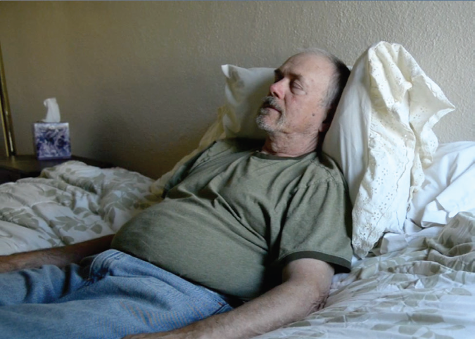
Take a slow deep breath through your nose. Hold your breath and lift up your head and tighten your neck muscles.
Feel the tension. Purse your lips, exhale slowly, let your head rest back on the pillow, and relax your muscles.
Lie still and enjoy the relaxed feeling you are experiencing. You should do this relaxation exercise several times
a day, even if you simply do it while sitting in a chair.
Record daily the highest level that you achieve. Your mobility goals after surgery are to get out of bed into a chair and
then transfer with minimal to moderate assistance. For post-op day 1, the goal is to walk 30 meters (90 feet).
HOW TO USE THE INCENTIVE SPIROMETER
1.
Sit on the edge of your bed if possible, or sit up straight as far as you can in bed.
2.
Hold it in an upright position so that you can read the numbers on it.
3.
Place the mouthpiece in your mouth and squeeze your lips tightly around it.
4.
Breathe in slowly and as deeply as possible. Notice the blue piston rising. The blue indicator should reach the
blue area.
5.
Hold your breath as long as possible. Then let go of your breath slowly and allow the piston to fall to the bottom
of the column.
6.
Rest for a few seconds and at least 10 times every hour.
7.
Position the blue indicator on the left side to show your best effort. Use the indicator as a goal to work toward
during each slow deep breath.
8.
After each set of 10 deep breaths, cough to be sure your lungs are clear. If you have an incision from surgery,
support it when coughing by placing a pillow firmly against it.
9.
Once you are able to get out of bed safely, take a lot of walks and practice the cough.